
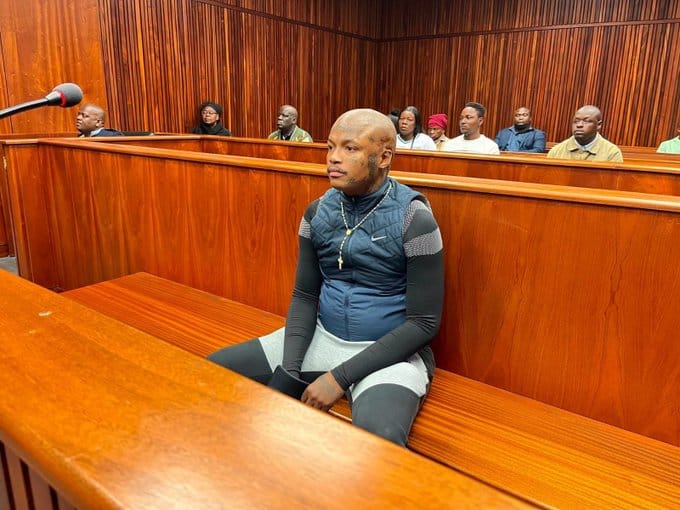
Lekompo musician Letlhogonolo “Shebe Maburna” Chauke is set to return to the Polokwane Magistrate’s Court on Thursday for his fifth bail application, a persistent legal effort that has so far failed to secure his release. Four previous applications, two in the magistrate’s court and two on appeal in the Limpopo High Court, have all been rejected, underscoring the seriousness with which the courts have viewed the charges against him.
Chauke, a well-known figure in the Lekompo music genre, has been in custody since his arrest on charges that have not been fully detailed in public proceedings. His legal team has repeatedly argued that he should be released on bail, citing his ties to the community, his career, and his willingness to comply with any conditions imposed by the court. However, the State has opposed each application, arguing that the charges are serious and that there is a risk of flight or interference with witnesses.
The repeated denials of bail suggest that the presiding magistrates and judges have found compelling reasons to keep Chauke in custody. In South African law, the denial of bail is typically based on the interests of justice, the severity of the charges, and the likelihood that the accused will abscond or tamper with evidence.
Chauke’s case has attracted attention in the entertainment industry and among his fans, who have expressed support for him on social media. Some have questioned whether he is being treated fairly, while others have emphasised the importance of allowing the legal process to run its course.
Thursday’s hearing will be closely watched, as it represents another opportunity for Chauke’s legal team to present new arguments or circumstances that might persuade the court to grant bail. Whether the fifth attempt succeeds or fails, the case continues to highlight the challenges faced by accused persons in navigating the criminal justice system, and the high stakes involved when liberty is on the line.
For now, Chauke remains in custody, his fate hanging on the outcome of yet another court appearance.
About The Author