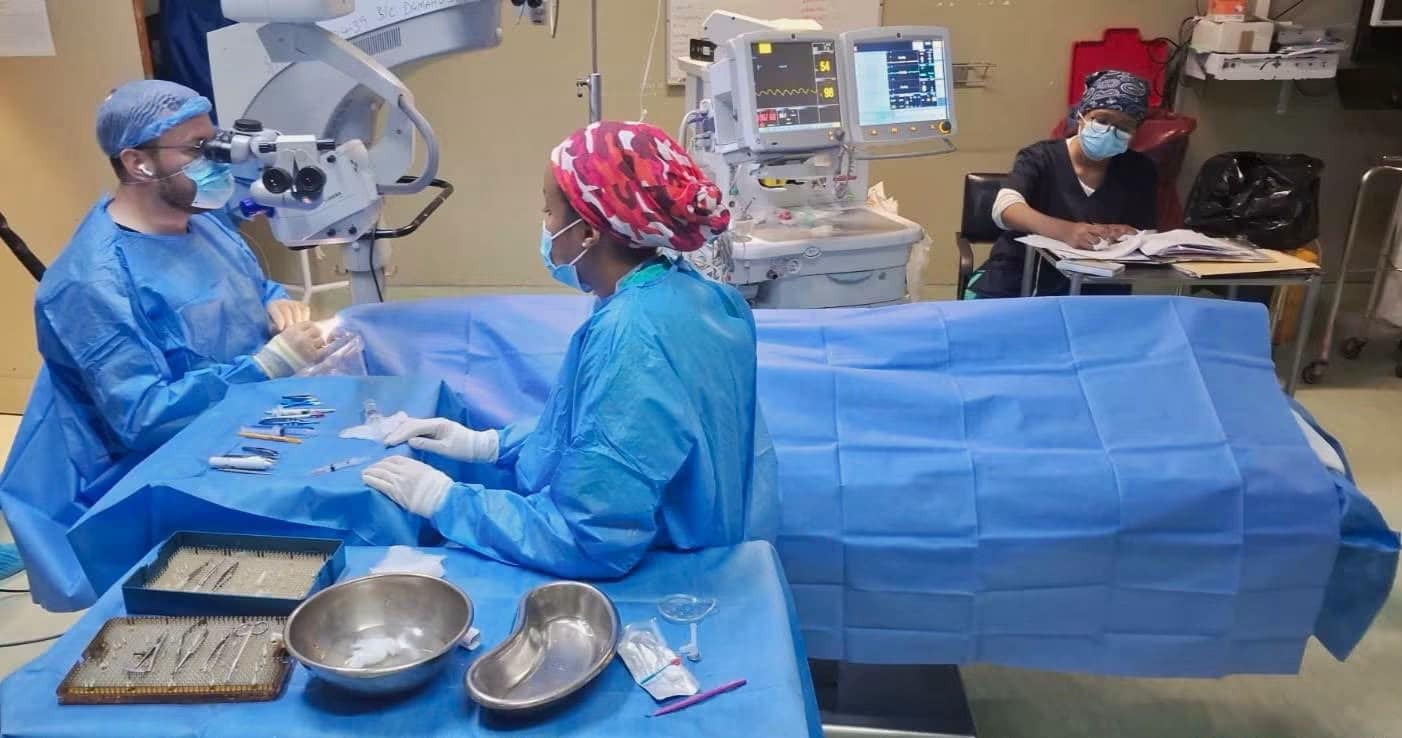
Kenya is grappling with a dual public health emergency after confirming its first Ebola case and facing a surge in HIV infections linked to the restructuring of U.S. aid. Health officials confirmed the Ebola case on 6 October 2026 in a patient who had travelled from the Democratic Republic of Congo through Uganda. The patient died shortly after being isolated, prompting the quarantine of dozens of contacts and the establishment of a Sh75 billion response fund with support from the United States and the World Bank.
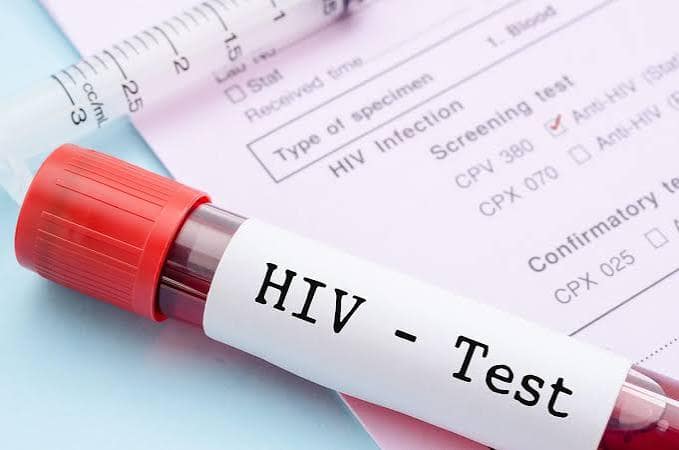
Separately, an AFP investigation has found that at least 24 HIV-positive sex workers died after losing access to treatment due to the 2025 restructuring of U.S. aid. The funding shift, which moved resources away from non-governmental organisations, led to a 48% rise in new infections in one programme. The findings have raised alarm about the unintended consequences of donor policy changes on vulnerable populations.
Online reactions have mixed worry over these overlapping threats with dark humour, with some joking about immune systems facing HIV, malaria, and Ebola “on empty stomachs.” The commentary reflects a deeper anxiety about Kenya’s heavy reliance on foreign health aid and the fragility of its public health infrastructure.
Health officials have urged calm while acknowledging the seriousness of both outbreaks. Contact tracing and vaccination efforts are underway for the Ebola case, while HIV programmes scramble to fill the funding gap. For Kenya, the twin crises underscore the need for sustainable, domestically funded health systems that can withstand shifts in international donor priorities.
About The Author