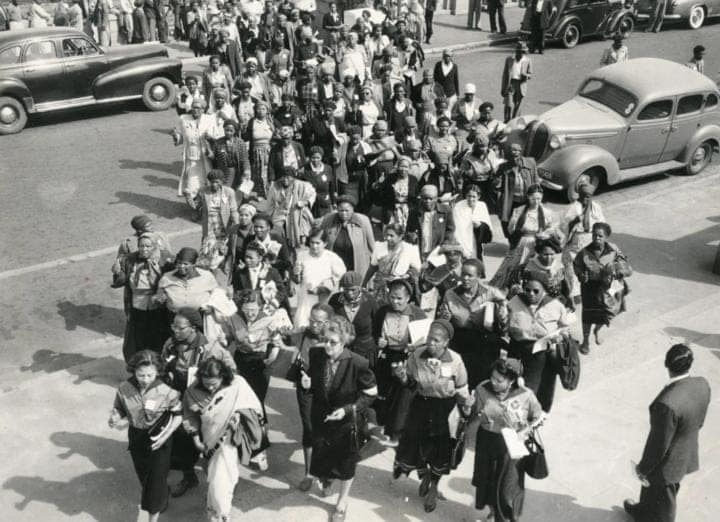
South Africa is marking 70 years since the historic 1956 Women’s March, a milestone that honours the courage and resilience of women who fought against apartheid and gender discrimination. Women such as Lilian Ngoyi, Helen Joseph, Sophie Williams-de Bruyn, Rahima Moosa, Charlotte Mannya Maxeke, Winnie Madikizela-Mandela and Albertina Sisulu played a significant role in shaping the country’s democratic journey.
Minister in the Presidency Khumbudzo Ntshavheni said government has made progress in advancing gender equality, including increasing women’s representation in leadership positions. However, she acknowledged that more work is needed to ensure equal representation of women in Parliament and other decision-making structures.
The Minister highlighted the growing number of women leading major institutions, including banks, mining companies and the Johannesburg Stock Exchange. She said these achievements reflect the sacrifices made by women who fought for freedom and equal opportunities, while government continues to support women’s economic empowerment through employment equity, entrepreneurship and education initiatives.
Despite this progress, challenges remain in the private sector. The Commission for Employment Equity’s latest report shows that top management positions are still largely dominated by men, with Black women remaining underrepresented. Ntshavheni called on businesses to create more opportunities for women and encouraged women leaders to mentor and support the next generation.
As part of Women’s Month commemorations, government also honoured Charlotte Mannya Maxeke during the Portraits of Power exhibition, which celebrates women who have shaped history through leadership and courage. The exhibition highlights the importance of preserving the legacy of women whose contributions continue to inspire future generations and strengthen South Africa’s democracy.
About The Author