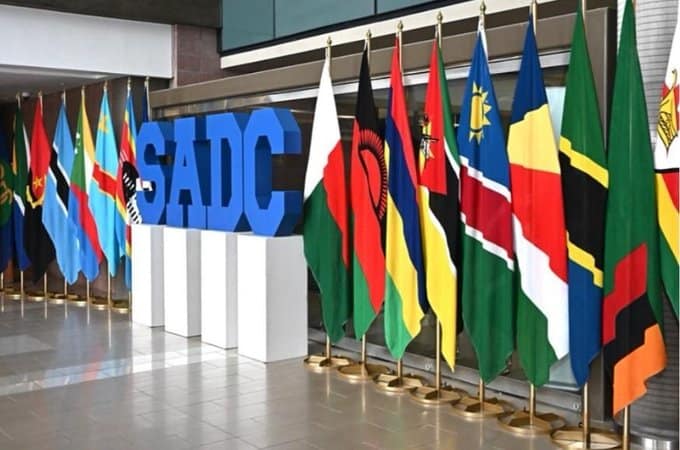
As South Africa grapples with intensifying migration dynamics, officials from the Kingdom of Lesotho have issued a stark warning that the effects of these population movements will not be contained within the country’s borders. Speaking at a regional policy dialogue, Lesotho’s representatives emphasized that migration is inherently transnational, and that the deep historical, cultural, and economic bonds between the two nations ensure that any shift in South Africa’s migration patterns will inevitably reverberate across the broader Southern African Development Community (SADC) region.
Lesotho, which is entirely encircled by South Africa, shares one of the most intertwined relationships on the continent. Thousands of Basotho nationals cross the border daily for work, education, healthcare, and trade, while many South Africans also travel to Lesotho for business and leisure. Officials cautioned that if South Africa were to tighten its immigration policies, impose stricter border controls, or experience a surge in internal displacement due to economic or climate pressures, Lesotho’s labour market, social services, and even its political stability could be severely disrupted.
“The movement of people is not a problem to be solved in isolation; it is a reality to be managed collectively,” said a senior Lesotho government official. “What happens in Johannesburg or Cape Town does not stay there—it arrives at our border posts, our hospitals, and our schools. We need a regional framework that anticipates these pressures and prepares for them.”
The warning comes at a time when South Africa’s own migration policy is under intense domestic scrutiny, with rising xenophobic sentiment, strained public services, and debates over undocumented foreign nationals. SADC policymakers are now under increasing pressure to develop coordinated responses that balance national sovereignty with regional solidarity. For Lesotho and other neighbouring states, the message is clear: the migration challenge is shared, and the solutions must be too. Ignoring the cross-border reality, they argue, is no longer an option.
About The Author