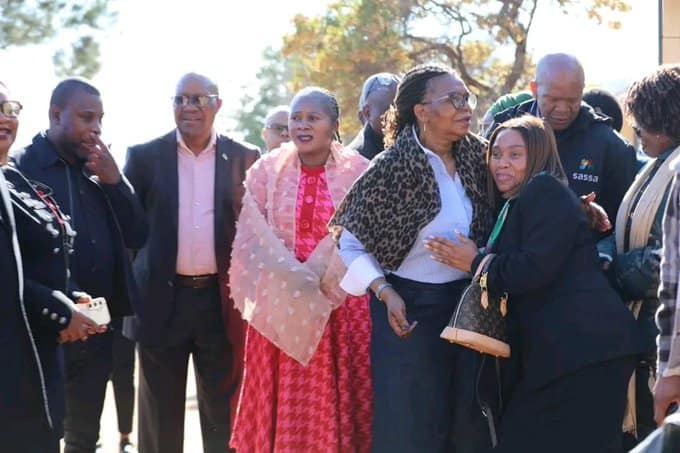
Social Development Minister Dina Pule has convened a high-level engagement with traditional leaders at the Molepo Traditional Council in Limpopo, as part of her department’s prelude to the much-anticipated Integrated Community Registration Outreach Programme (ICROP) scheduled to unfold in the region later today. The meeting, held at the council’s headquarters in the heart of the Molepo community, underscored the government’s commitment to leveraging traditional governance structures as vital conduits for service delivery and social protection.
The ICROP initiative, which aims to bring government services closer to communities by facilitating access to social grants, identity documents, and other essential registration services, is being rolled out across multiple provinces. However, Limpopo, with its sprawling rural villages and diverse traditional authorities, presents unique logistical and cultural challenges—making the buy-in of traditional leaders indispensable. Minister Pule emphasized that the partnership with the Molepo Traditional Council is not merely procedural but foundational to ensuring that no eligible individual is left behind.
“We cannot speak of inclusive development without the active participation of our traditional leaders,” Pule stated during the closed-door session. “They are the custodians of our culture and the first point of contact for many of our people. Their endorsement and active involvement will determine whether ICROP succeeds or stumbles in this area.”
The engagement also provided a platform for traditional leaders to voice concerns about access to social services, the efficiency of the South African Social Security Agency (SASSA) systems, and the need for greater provincial support for vulnerable households. In turn, Pule assured them that the department is working to address bottlenecks and streamline the registration processes.
As the ICROP team prepares to deploy mobile units to outlying villages, the collaboration between the Ministry and the Molepo Traditional Council stands as a model of cooperative governance. For the communities of Ga-Molepo, the hope is that these engagements will translate into tangible outcomes—ensuring that social protection is not a privilege, but a right realized at the grassroots level.
About The Author