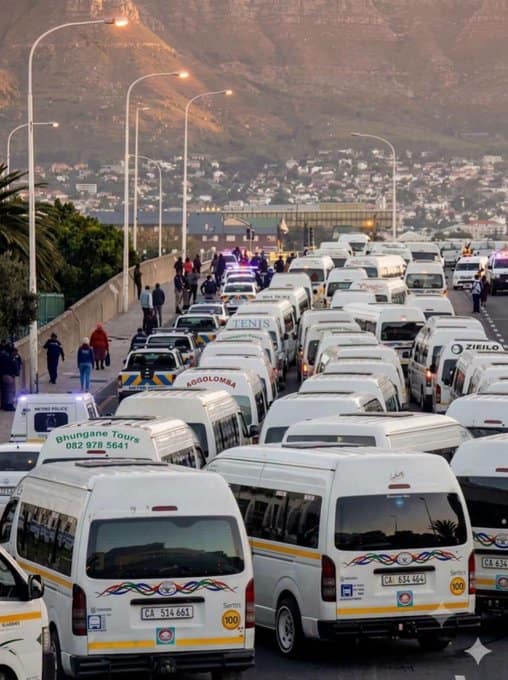
The chaotic pulse of Johannesburg’s taxi ranks, usually a symphony of hooting horns and frenetic commerce, has been replaced by a tense, anxious hum. As the clock ticks down to a contentious government deadline for undocumented foreigners to regularize their status or face deportation, South Africa’s National Taxi Council (Santaco) has issued a desperate plea for calm. Speaking from the organization’s bustling headquarters, spokesperson Rebecca Phala delivered a carefully worded appeal to the nation’s protesters, urging them to keep their demonstrations peaceful and, crucially, to steer clear of the taxi routes that form the lifeblood of the country’s commuter economy.
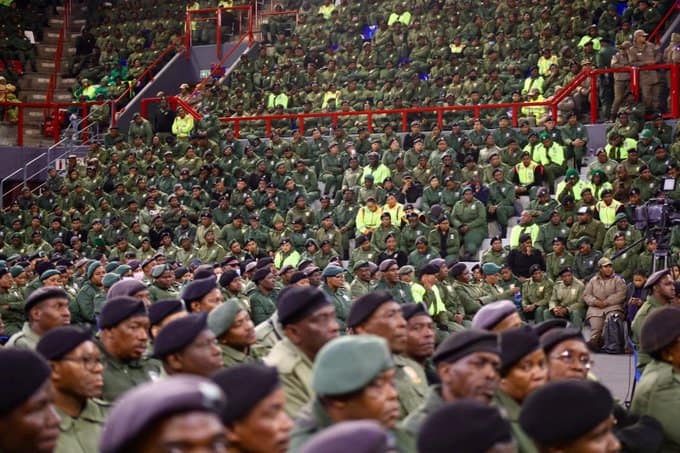
Phala’s voice carried a weight of genuine concern, underscored by stark financial realities. The taxi industry, she reminded reporters, is not just a mode of transport but a sprawling economic empire valued at an estimated R90 to R100 billion, supporting hundreds of thousands of drivers, owners, and their families. Any disruption to this intricate network, she warned, would be catastrophic, potentially triggering a domino effect that could cripple small businesses and strand millions of daily commuters who have no other means to reach work or school. Her appeal was a direct response to the growing wave of protests spearheaded by groups like Operation Dudula, whose members, chanting the now-familiar slogan “Mabahambe” (they must go), have taken to the streets of major cities since the start of 2026, demanding mass deportations as a solution to escalating unemployment and crime.
The demonstrations, however, have not been universally peaceful. Reports of violence have emerged from several hotspots, with shops owned by foreign nationals being targeted and ransacked, and tragically, seven deaths have been linked to the unrest. This escalation has only deepened the atmosphere of fear and uncertainty. The irony of the situation is not lost on Santaco, who point to the industry’s own controversial history of strikes that have previously brought cities to a standstill. Yet, Phala was unequivocal: two wrongs do not make a right. She firmly denied unverified social media rumors that taxi associations were planning their own blockades in support of the protests, dismissing such claims as malicious attempts to sow further division.
The impact is already palpable on the ground, particularly within the cross-border taxi sector. Operators who once ferried passengers to and from neighboring countries report a drastic drop in numbers, as fearful foreign nationals choose to remain confined to their homes. This unintended economic consequence, Phala argued, is a stark preview of the broader damage that full-blown chaos could inflict. As the government’s immigration deadline looms, the taxi council’s call for peace is a desperate attempt to hold a fragile nation together, urging a path of dialogue over destruction, and reminding a polarized society that its economic survival depends on keeping its roads open and its people moving.
About The Author