A quiet revolution is unfolding on South Africa’s roads, and it is being driven—quite literally—by the country’s under-35 generation. Chinese automotive brands have experienced a meteoric rise in popularity among young buyers, with financed deals surging by an extraordinary 423% between 2021 and 2025, according to newly released data from Standard Bank. The numbers reveal that nearly 68% of buyers under the age of 35 are choosing brand-new Chinese vehicles, a seismic shift from just a few years ago when Korean and Japanese marques dominated the entry-level market.
This dramatic ascent has translated into market share gains that would have seemed implausible in the recent past. Chinese brands now command an estimated 17% to 20% of South Africa’s passenger car market, up from a mere 2.8% in 2020. The driving forces behind this surge are clear: affordable, feature-packed sport utility vehicles equipped with the latest digital interfaces, advanced safety systems, and generous warranties, all offered at price points that undercut traditional competitors. In an environment of a weakening rand and persistently high interest rates, cost-conscious younger buyers have found a compelling alternative in Chinese offerings.
Owner satisfaction surveys reflect strong approval of the value proposition, with many citing the abundance of standard features as a key differentiator. However, questions linger over long-term reliability and after-sales support—concerns that Chinese manufacturers are aggressively addressing through extended service plans and enhanced dealer networks.
The shift is no longer anecdotal; it is visible on any major highway, where Havals, Cherys, and Omodas are increasingly replacing older hatchbacks. While legacy brands scramble to respond, the message from South Africa’s youth is clear: they are voting with their wallets, and they are opting for the new contenders from the East. Whether this momentum proves sustainable will depend on how these brands hold up beyond the showroom floor—and whether they can turn curiosity into lasting loyalty.
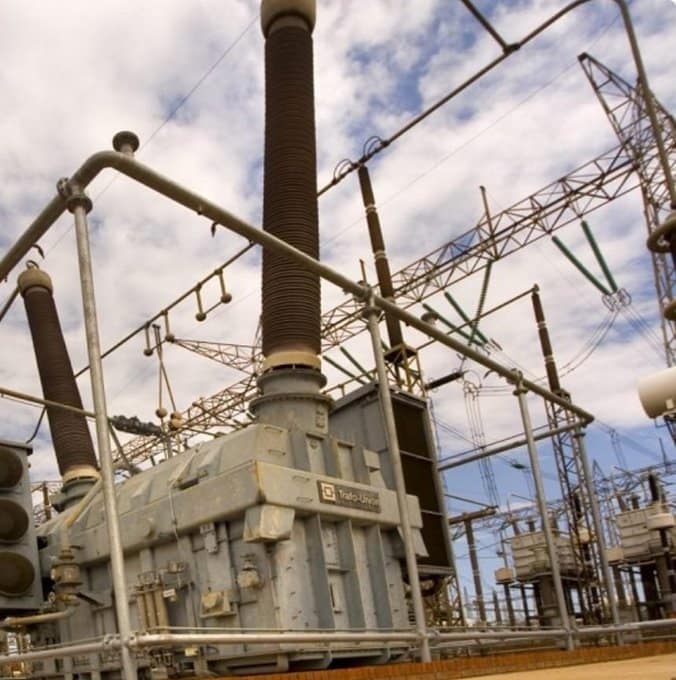
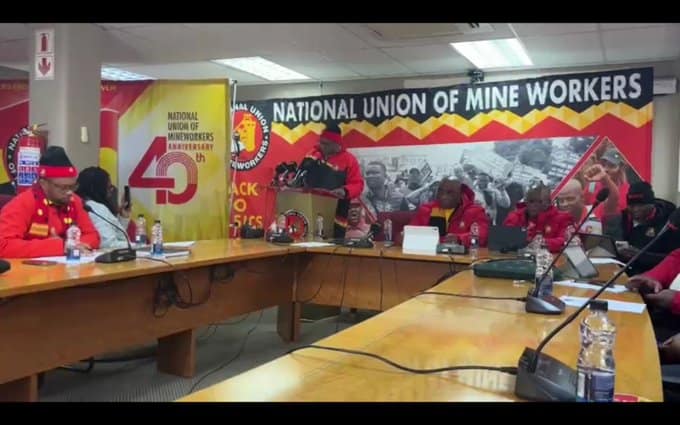
NUM Opposes Eskom Unbundling, Demands Protection of Workers and Public Ownership🔴 Johannesburg – The National Union of Mineworkers has firmly rejected the unbundling of Eskom, warning that any restructuring must not lead to job losses, weaker working conditions, reduced collective bargaining rights or the privatisation of the public power utility.
Here is a spun and expanded version of that story, brought to roughly 250 words:
NUM Digs In Against Eskom Unbundling, Vows to Defend Workers and Public Ownership
Johannesburg – The National Union of Mineworkers (NUM) has drawn a line in the sand, issuing a firm and unequivocal rejection of the proposed unbundling of Eskom, South Africa’s embattled state-owned power utility. In a strongly worded statement released on Wednesday, the union warned that any restructuring of the electricity giant must not come at the expense of workers’ jobs, working conditions, or collective bargaining rights—and that the core principle of public ownership must remain non-negotiable.
The NUM’s stance places it in direct opposition to government’s long-standing plan to split Eskom into three separate entities: generation, transmission, and distribution—a reform that proponents argue is essential to improve efficiency, attract private investment, and stabilize the country’s precarious energy supply. However, the union has dismissed these arguments, accusing policymakers of pursuing a “backdoor privatisation agenda” disguised as technical reform.
“We will not sit back and watch our members be sacrificed on the altar of market ideology,” said NUM General Secretary William Mabapa. “Eskom is a strategic national asset, and its workers are the backbone of this country’s energy security. Any attempt to unbundle the utility without cast-iron guarantees on job security, pension benefits, and wage protections will be met with the full force of union resistance.”
The union has also called for a comprehensive social dialogue process involving all stakeholders—workers, government, business, and civil society—before any restructuring decisions are finalized. It has further demanded that the government clearly demonstrate how unbundling will actually improve energy reliability and affordability, rather than merely creating new opportunities for profiteering.
As the debate intensifies, the NUM’s opposition adds a powerful political and industrial dimension to an already fraught policy process. With thousands of Eskom workers watching closely, the union’s ability to mobilize its membership could determine whether the unbundling proceeds smoothly—or descends into a protracted battle that deepens the very crisis it aims to resolve.
About The Author