A financial storm is brewing at the heart of South Africa’s higher education funding system, with the National Student Financial Aid Scheme (NSFAS) now grappling with a staggering R49.5 billion in outstanding debt owed by 823,888 former beneficiaries. The figure, which represents 26 years of accumulated student loans, has laid bare the deepening fault lines in a system designed to broaden access to tertiary education but now buckling under the weight of non-repayment and economic collapse.
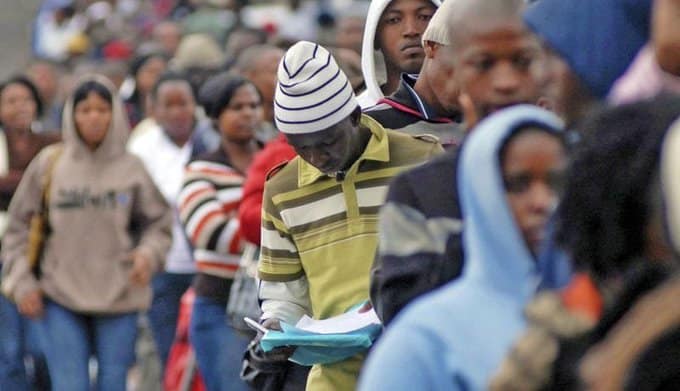
The crisis is inextricably linked to South Africa’s broader jobs catastrophe, with youth unemployment sitting at a devastating 47.4% among those aged 15 to 34. For many graduates who secured NSFAS funding, the promise of a degree has not translated into employment in their chosen fields, leaving them mired in poverty and unable to meet their repayment obligations. This has sparked a fierce debate across political and civil society circles: some argue that repayments are non-negotiable to ensure the scheme’s sustainability for future generations, while others contend that the model is fundamentally broken and should be restructured as a grant-based donation system—or abolished altogether.
However, the financial woes are not solely attributable to unemployed graduates. Broadening frustrations are increasingly directed at government corruption and systemic mismanagement, with recent theft allegations against a former board member adding fuel to the fire. Critics have accused NSFAS leadership of failing to implement robust collection mechanisms while simultaneously allowing administrative bloat and financial leaks to erode public trust.
As the funding crisis deepens, students and alumni alike are demanding urgent reform. The R49.5 billion question remains: can a system designed to build futures survive when its own foundation is crumbling under the weight of economic despair and institutional failure? The answer may determine the future of higher education accessibility in South Africa for decades to come.
About The Author