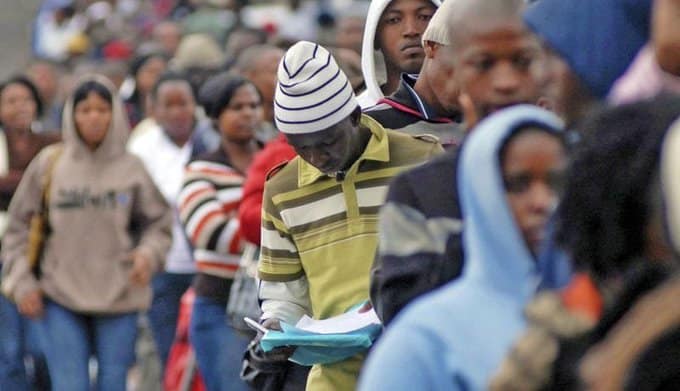
As South Africa continues to attract a growing wave of international professionals, retirees, and returning expatriates drawn by its lifestyle, climate, and business opportunities, a critical warning is emerging from the country’s tax advisory community: residency comes with a price tag. While purchasing a property or obtaining citizenship may feel like the final step in establishing a new life, the South African Revenue Service (SARS) applies a far more nuanced test—one that can have sweeping financial consequences.
Tax residency is not determined by a passport or a deed of sale. Instead, SARS looks at whether an individual has established their “real home” in the country or whether they have spent sufficient days physically present in South Africa over a rolling period. Once that threshold is crossed, the individual becomes a tax resident—and with that status comes the obligation to pay tax on worldwide income and assets, not just locally sourced earnings.
However, new residents are granted a crucial concession: capital gains are limited to those that accrue after the date of residency commences, as all assets are deemed to be revalued at their market value upon arrival. This can provide a clean slate for investment portfolios. Meanwhile, foreign pensions from past employment are generally exempt from local tax, offering a measure of relief. But other income streams—including dividends, interest, rental earnings, and capital gains—each fall under their own complex rules, with varying exemptions and thresholds that demand careful navigation.
Perhaps the most overlooked risk lies in departure. Should a resident later decide to leave South Africa, an exit tax applies to their worldwide assets, potentially delivering a costly blow to unprepared individuals. Tax experts are unanimous: early, proactive planning is non-negotiable. With the right advice, newcomers can structure their affairs to maximize exemptions and minimize surprises—but procrastination, they warn, is a luxury few can afford.
About The Author