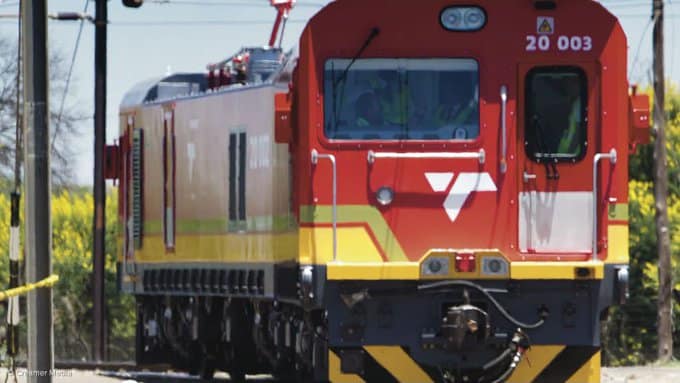
South Africa’s long-awaited freight rail reform has surged past a pivotal milestone, with the conclusion of Rail Access Agreements between state-owned Transnet Freight Rail and 11 private train operating companies. The landmark development signals a decisive shift toward opening the nation’s beleaguered rail network to greater private sector participation, a move widely seen as essential to revitalizing an industry plagued by inefficiency, underinvestment, and logistical bottlenecks.
The agreements, signed after months of intense negotiations, grant the 11 operators formal access to specified rail corridors, allowing them to run their own trains and transport goods across key economic routes. This marks the first significant implementation of the government’s ambitious Rail Private Sector Participation framework, which aims to break Transnet’s historical monopoly and inject much-needed competition into the freight logistics sector. Industry insiders describe the development as a “game-changer,” with the potential to reduce road congestion, lower transport costs, and boost export competitiveness for mining, agriculture, and manufacturing sectors.
Transnet officials hailed the agreements as a testament to their commitment to reform, while operators expressed cautious optimism, noting that the real test lies in the operational execution—ensuring fair access, transparent pricing, and reliable infrastructure. The Department of Transport has pledged to oversee the rollout rigorously, with additional access applications currently under review.
Economic analysts view this as a crucial step toward stabilizing South Africa’s fragile supply chains, which have suffered billions in losses due to rail inefficiencies. However, unions have raised concerns over potential job losses and the erosion of state assets, demanding robust protections for workers. As the first private trains prepare to roll, the success of this reform will ultimately hinge on whether collaboration trumps conflict—and whether the railway lines of the future carry not just cargo, but the weight of national economic revival.
About The Author