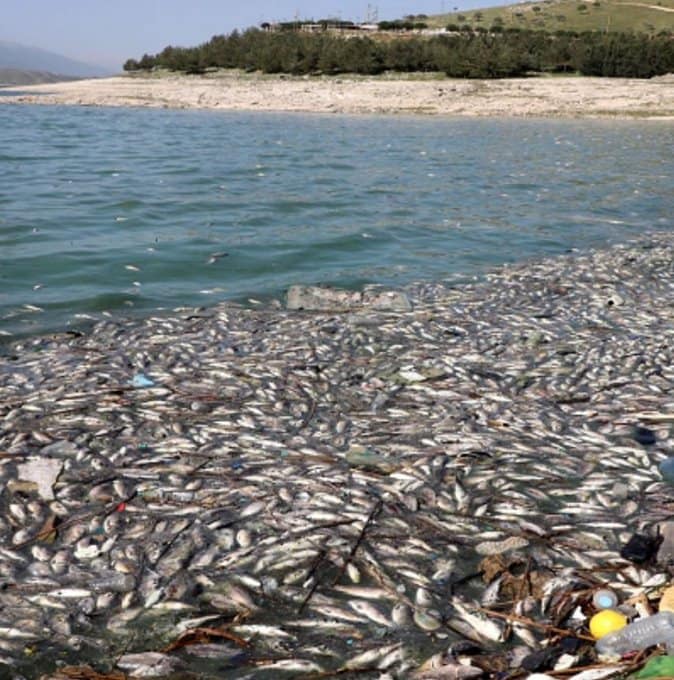
The mystery surrounding the sudden and extensive die-off of sardines along the Western Cape coastline has deepened, with marine specialists now racing to screen biological samples for the presence of harmful marine biotoxins. The mass mortality event, which has left stretches of shoreline from Saldanha Bay to Gansbaai carpeted with silvery carcasses, has triggered a wide-ranging scientific investigation, as authorities scramble to determine whether natural toxins, environmental stress, or other factors are to blame.
The Department of Forestry, Fisheries and the Environment (DFFE) has confirmed that a multidisciplinary probe is actively underway, involving oceanographers, marine biologists, and toxicologists from several research institutions. Initial field observations have ruled out obvious causes such as oil spills or chemical pollution, focusing attention instead on the possibility of harmful algal blooms—commonly known as red tides—that can produce potent neurotoxins capable of suffocating fish and other marine life.
However, scientists have urged caution, emphasizing that definitive conclusions cannot be drawn until laboratory results are completed. “We are looking at a complex ecological puzzle,” said a senior researcher involved in the investigation. “It could be biotoxins, but it could also be a combination of oxygen depletion, sudden temperature changes, or even a disease vector. We are keeping all hypotheses open.”
The die-off has not only alarmed environmentalists but has also raised concerns among local fishing communities, who fear the event could signal broader disruptions to the marine ecosystem. The DFFE has assured the public that seafood safety remains a priority, with ongoing monitoring of commercial fishing areas. For now, the sardines continue to wash ashore, their silent testimony to an unfolding natural drama—one that scientists hope to decode before the next tide brings more questions than answers.
About The Author