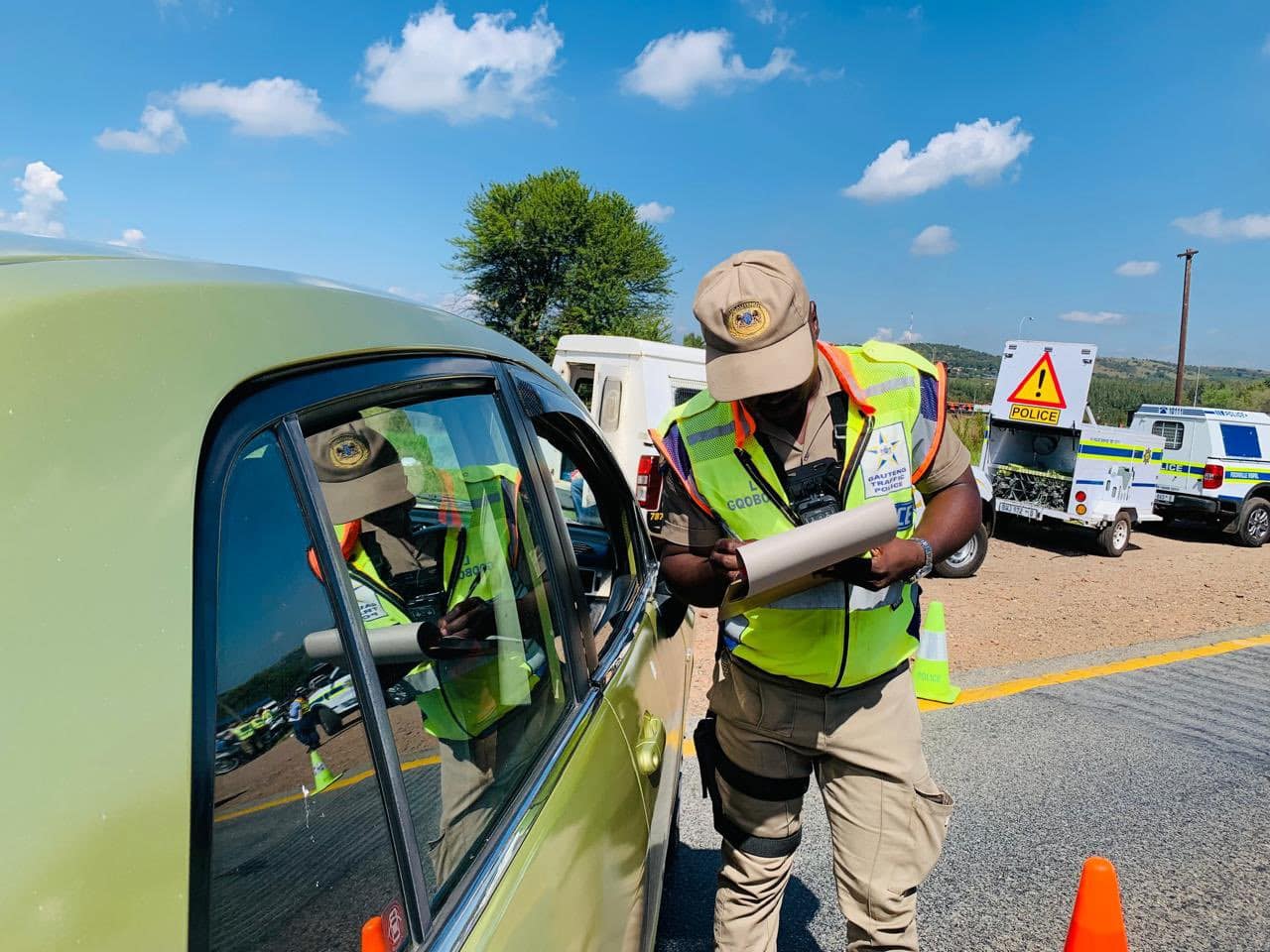
A stark video montage depicting scenes of overwhelming congestion, pervasive litter, and urban decay in Johannesburg’s Central Business District (CBD) has gone viral, reigniting a fierce national debate about governance, economic survival, and the future of South Africa’s commercial heart. The footage, posted on Thursday by prominent social media commentator @AdvoBarryRoux, serves as a visual indictment of the city’s cyclical struggles, coming just months after a massive cleanup for the high-profile G20 Summit in November 2025.
The nearly three-minute compilation shows a landscape where informal trading has exploded beyond sidewalks, with stalls and goods spilling directly into the roads surrounding the bustling Central Taxi Rank. Vehicles navigate chaotic, narrow lanes between makeshift shops, while pavements are rendered impassable by merchandise and crowds. The scenes are punctuated by shots of clogged storm drains, graffiti-covered buildings, and streets littered with waste—a sharp contrast to the sanitized version of the city presented to world leaders just a quarter ago.
The G20 Facade and the January Reckoning
The viral video underscores a frustrating pattern long noted by residents and businesses. Under the directive of Executive Mayor Sello Enoch Dada Morero, the City of Johannesburg undertook an aggressive and costly beautification and enforcement operation ahead of the G20 Summit. For weeks, illegal structures were removed, streets were deep-cleaned, law enforcement was highly visible, and a semblance of order was imposed.
“During the G20, it was like a different city. Clean, orderly, functioning,” said a manager of a retail store on Pritchard Street, who asked to remain anonymous. “But it was a temporary theatre. By mid-January 2026, it was all back—the chaos, the garbage, the gridlock. It felt like the moment the international guests left, the political will to maintain standards left with them.”
City officials have pointed to ongoing operations, including a targeted clean-up and enforcement action on Pleistow Street on February 3, as evidence of their continued efforts. However, critics argue these are sporadic and reactive, failing to address the root causes of the dysfunction.
A Nation Divided Online: Blame vs. Livelihoods
The online response to the video has laid bare the deep societal fractures in South Africa.
- The Critical Camp: One side, echoing the poster’s implicit critique, lays blame squarely at the feet of ANC governance, accusing the city of a chronic lack of service delivery, failed urban planning, and enforcement collapse. Xenophobic rhetoric also surfaces, with some commentators blaming the influx of undocumented foreign nationals for the trading chaos and litter. “This is the result of years of cadre deployment and mismanagement,” one viral reply stated. “The ANC can clean up for foreigners but not for its own taxpayers.”
- The Defensive Camp: Another faction pushes back, framing the chaos as the vibrant, if messy, manifestation of a critical informal economy keeping millions afloat amid official unemployment rates near 33%. “Before you judge the mess, recognize the hustle,” countered a social entrepreneur. “These are not criminals; they are survivors. The city fails to provide proper trading spaces, sanitation, and waste removal, then vilifies people for creating their own opportunities.”
Morero’s Political Tightrope
For Mayor Morero, the viral storm could not come at a more sensitive time. With crucial by-elections looming in several Johannesburg wards, the imagery directly challenges the ANC’s narrative of a “City at Work.” His administration is caught in an almost impossible bind: enforcing bylaws to restore order for formal businesses and residents risks alienating the vast, politically significant informal trader community and being labelled as anti-poor. Conversely, a laissez-faire approach leads to the very scenes now circulating globally, damaging investor confidence and validating opposition critiques.
Urban analysts suggest the crisis demands solutions beyond mere clean-ups. “The Plein Street operation is a band-aid on a bullet wound,” said urban policy expert Dr. Lindiwe Nkosi. “Johannesburg needs a formalised, comprehensive spatial plan for the informal economy that includes designated, serviced trading zones, proper waste management infrastructure, and a partnership approach. Endless cycles of enforcement and relapse solve nothing and only deepen resentment.”
As the video continues to rack up views and fuel heated debate, it has become more than a montage of urban disorder; it is a potent symbol of Johannesburg’s—and by extension, South Africa’s—protracted struggle to reconcile law with livelihood, order with inclusion, and political expediency with sustainable urban governance. The pressure is now on Mayor Morero’s administration to demonstrate that its strategy consists of more than just summit-ready window dressing.
About The Author