In the daily grind of South African life, it’s easy for the middle class, comfortably ensconced in their private cars, to overlook a simple truth: the single most transformative investment the government could make isn’t a flashy new project, but the revival of a crumbling old one—commuter rail.
For millions of South Africans living in townships, the cost of mobility is a crushing burden, often consuming more than half of their monthly salary just to get to and from work. Imagine if that figure could be slashed to a mere 10%. The ripple effect would be profound. Suddenly, households would have significantly more disposable income, money currently spent in cash on minibus taxis would flow into the formal economy in new ways, and individuals would gain the financial breathing room to invest in their futures.
This isn’t just a pipe dream; glimpses of this reality already exist. Consider the Soweto resident who walks to his Bus Rapid Transit station, catching an early bus where he’s built a sense of community with fellow commuters. Or the Cape Town professional who finishes work and casually strolls to a MyCiti bus stop, a concept so alien to a “Joburgified” sense of urban danger that it leaves colleagues in disbelief.
For many, the current experience of functional public transport is confined to the Gautrain—a system often maligned for its cost. Yet, a simple comparison reveals its value: a return trip from Sandton to OR Tambo can be on par with an Uber or long-term airport parking. Despite the price, it works with remarkable efficiency, ferrying commuters who actually get work done on their journeys.
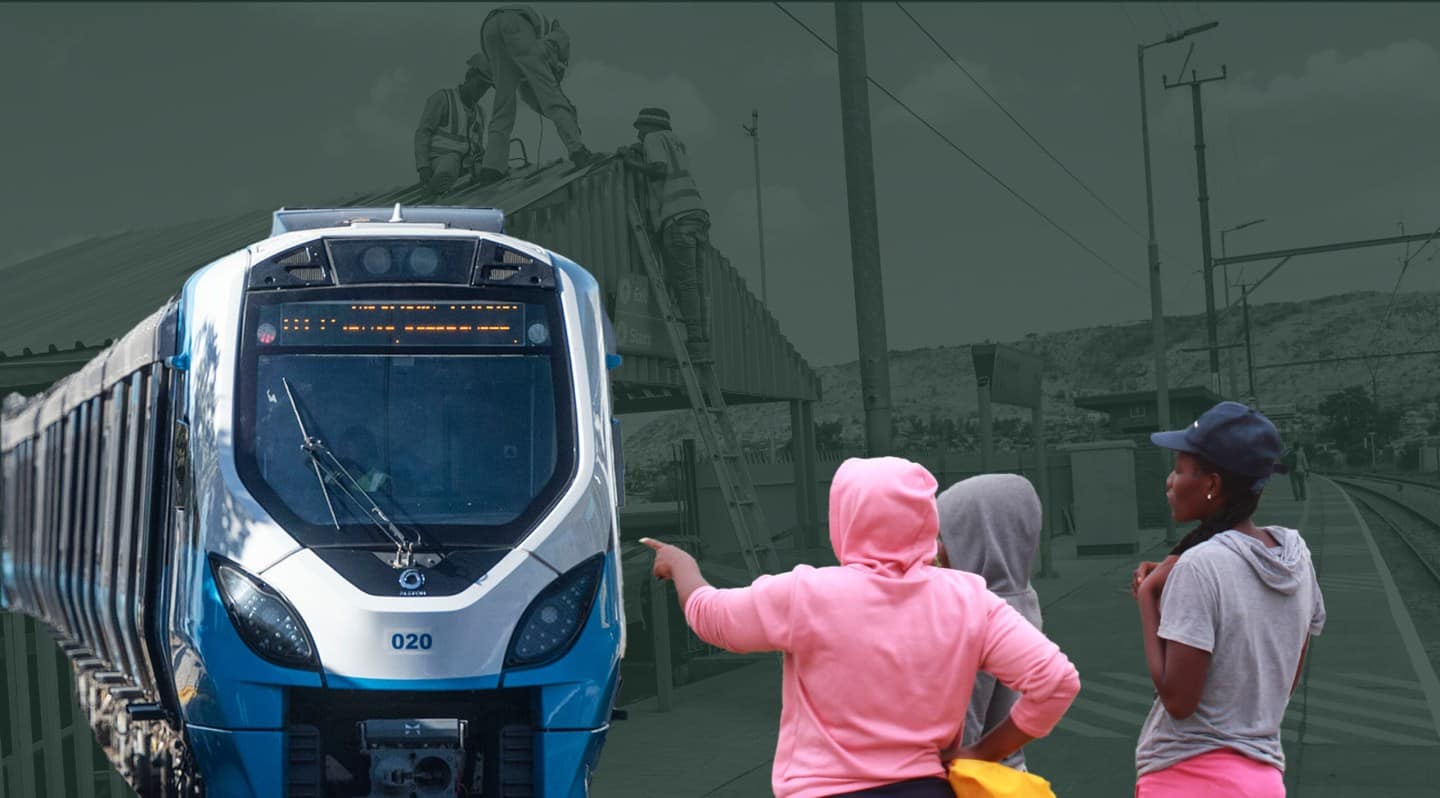
The success of these isolated examples points to a much larger opportunity. The conversation around fixing the Passenger Rail Agency of South Africa (Prasa) is often framed in terms of budgets and infrastructure. But it’s about more than just repairing tracks and signals; it’s about fixing lives. A reliable, affordable rail network wouldn’t just move people from point A to point B—it would unlock economic potential, restore time and dignity to countless commuters, and fundamentally reshape the social fabric of the nation for generations to come. The return on investment wouldn’t just be measured in rands, but in renewed hope.
About The Author