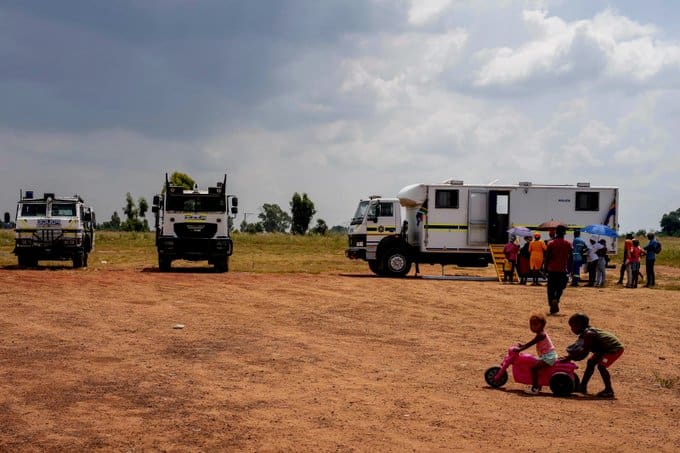
After weeks of living in a state of siege, residents of the Sporong informal settlement have begun a tentative and anxious return to their homes, following a period of violent disruption that forced hundreds to flee. The unrest, stemming from violent clashes between rival groups of illegal miners—commonly known as zama zamas—had transformed sections of the community into no-go zones, marked by gunfire, intimidation, and pervasive fear.
The displacement crisis reached its peak last month when a brutal turf war over control of nearby disused gold mine shafts spilled directly into the settlement’s narrow pathways. Residents reported being caught in the crossfire, with homes damaged by stray bullets and criminal elements using the chaos to carry out robberies and extortion. Many sought refuge with relatives in neighbouring townships, while others slept in local community halls under precarious conditions.
Official Assurance: A Multi-Disciplinary Operation
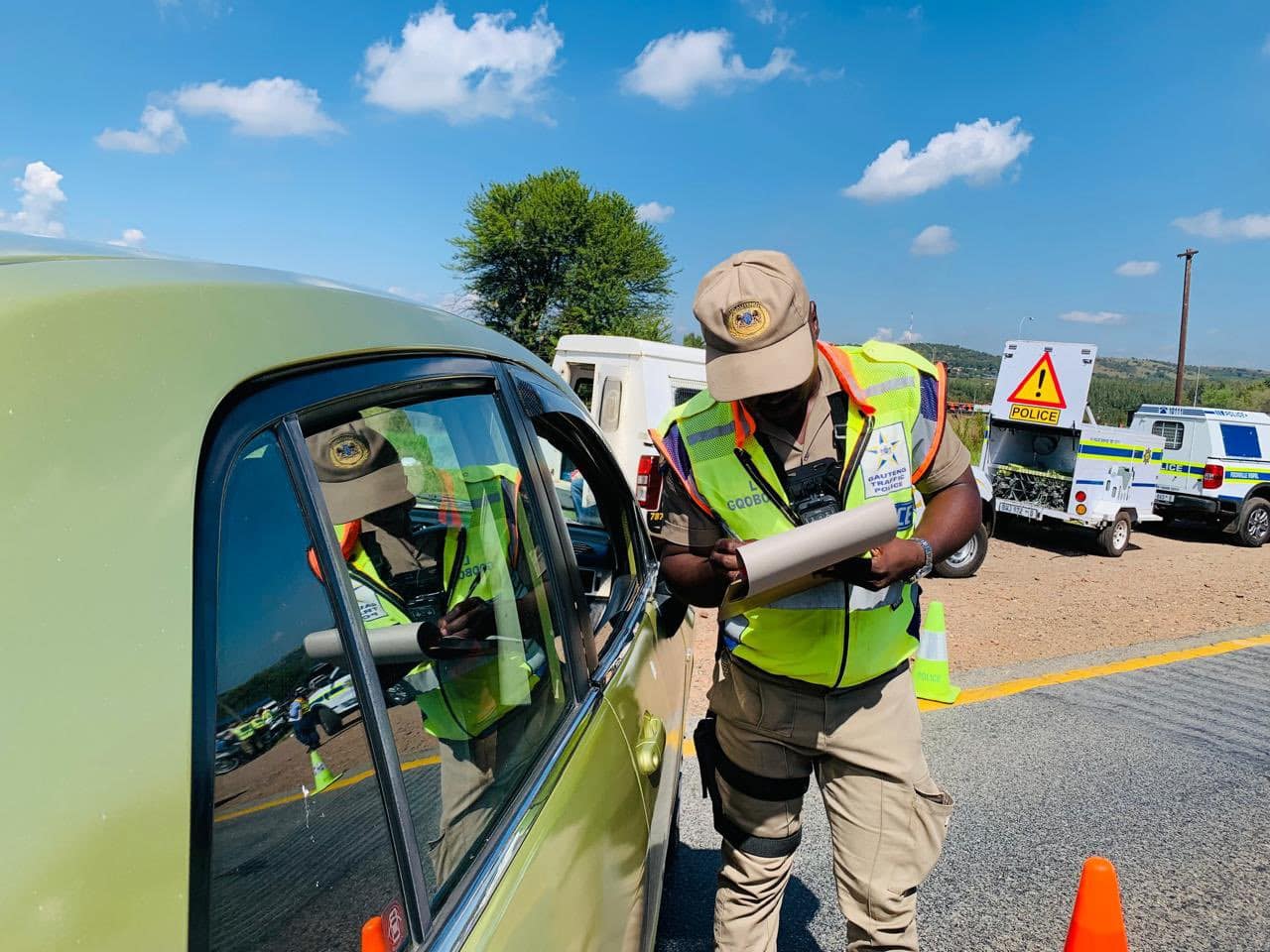
The catalyst for the return has been a sustained, high-density police operation dubbed “Operation Restore Sporong.” Led by the South African Police Service (SAPS) and supported by units from the Gauteng Traffic Police, the Department of Home Affairs (for immigration checks), and private security contractors, the operation has involved raids on known zama zama mining pits and living quarters, as well as permanent vehicle checkpoints on key access roads.
“We want to assure the community of Sporong that their safety is our paramount concern,” stated Rand West City Local Municipality Mayor, together with the local SAPS Cluster Commander, at a recent community meeting. “The multidisciplinary team has made several arrests, confiscated illegal firearms, and disrupted the activities of these groups. We have established a visible and persistent presence to allow residents to return and rebuild their lives with a sense of security.”
Residents’ Reality: Cautious Steps Amid Lingering Trauma
Despite the official assurances, the mood on the ground is one of cautious apprehension, not celebration. For returning residents like Thandi Nkosi, a mother of three, the trauma is still raw.
“We are back because we have nowhere else to go,” Nkosi said, gesturing to a bullet hole in her corrugated zinc wall. “The police are here now, yes. But for weeks, they were nowhere. We were abandoned. These zama zamas have networks and tunnels everywhere. How do we know they won’t come back the moment the police vans leave?”
This sentiment is widespread. Community leaders point to the deep-rooted nature of illegal mining economies, which are often protected by sophisticated syndicates. They argue that while police sweeps provide temporary relief, a permanent solution requires addressing the chronic lack of economic opportunity that drives both local and cross-border migration into illegal mining.
The Underlying Crisis: A Symptom of Broader Failures
The Sporong disruption is a microcosm of a Gauteng-wide, and indeed national, crisis. Disused and active mineshafts honeycomb regions of the West Rand, providing fertile ground for illegal mining syndicates that exploit vulnerable labour and wreak havoc on infrastructure and communities.
“The return of residents is just the first step,” acknowledged a social worker assisting displaced families. “Now we need a long-term, integrated strategy. That means permanent crime prevention, social services to deal with the trauma, youth employment programmes to offer alternatives, and serious engagement with mining companies about securing their old sites. Without that, this is just pressing ‘pause’ on the cycle of violence.”
As the people of Sporong slowly unpack their belongings and try to resume normal life, their experience serves as a stark warning. The official safety assurances are a necessary first chapter, but the community’s future security depends on a sustained, multi-pronged commitment that has, thus far, been elusive. The zama zamas may have receded from view, but the conditions that fuel their existence remain firmly in place.
About The Author